Typical settings for this family#
Shutter (still)1/1000 s
Shutter (action)1/3200–1/4000 s
Aperturef/5.6–f/8
Size11–15 cm
31 species#
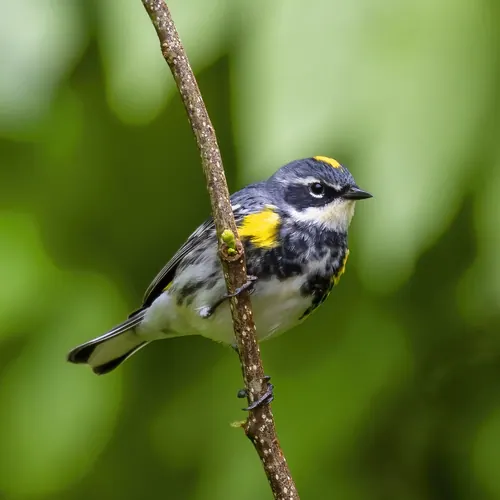 Yellow-rumped WarblerSetophaga coronata
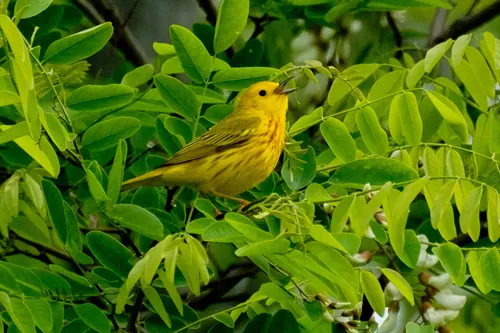 Northern Yellow WarblerSetophaga aestiva
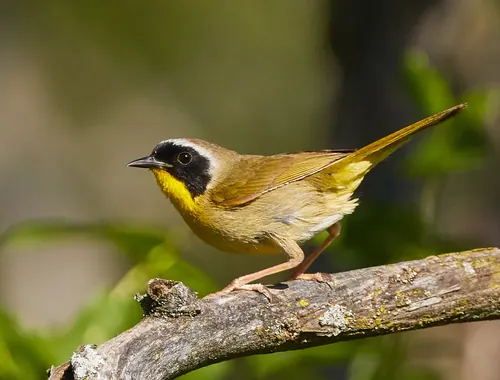 Common YellowthroatGeothlypis trichas
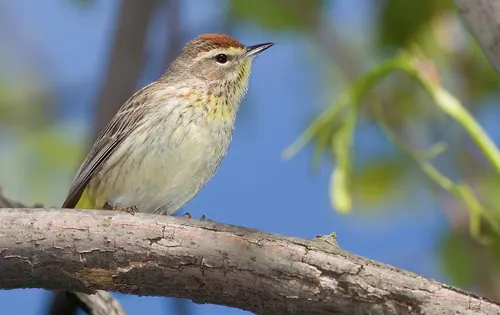 Palm WarblerSetophaga palmarum
Orange-crowned WarblerLeiothlypis celata
Palm WarblerSetophaga palmarum
Orange-crowned WarblerLeiothlypis celata
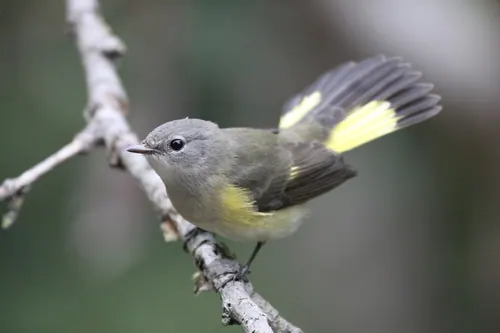 American RedstartSetophaga ruticilla
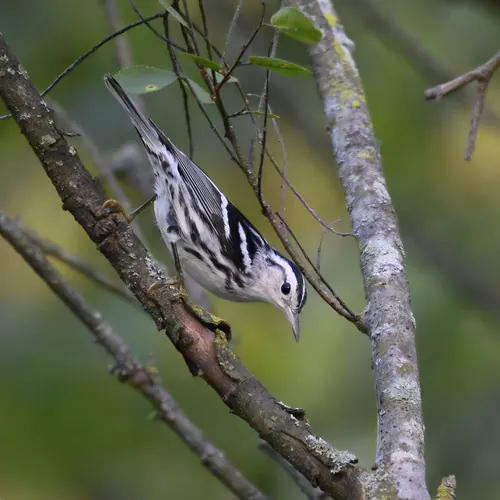 Black-and-white WarblerMniotilta varia
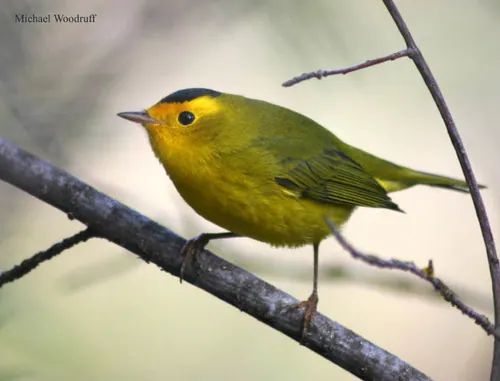 Wilson's WarblerCardellina pusilla
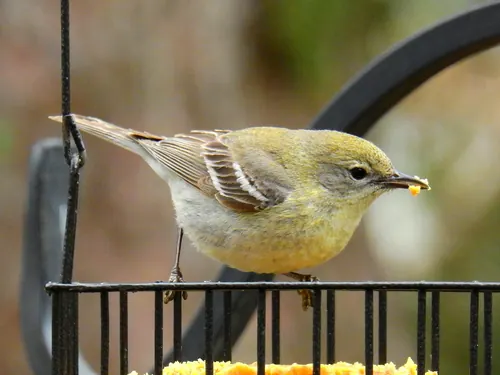 Pine WarblerSetophaga pinus
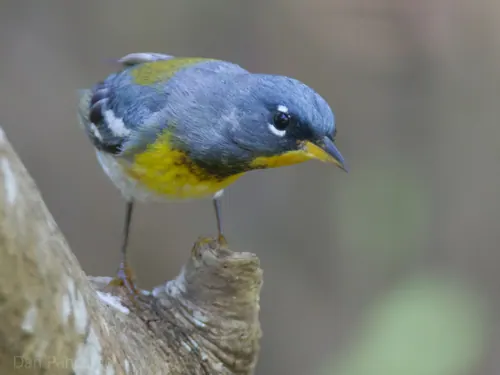 Northern ParulaSetophaga americana
Nashville WarblerLeiothlypis ruficapilla
Northern ParulaSetophaga americana
Nashville WarblerLeiothlypis ruficapilla
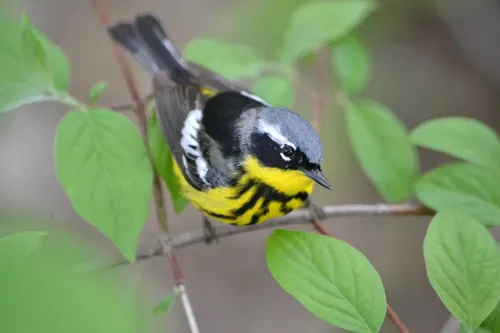 Magnolia WarblerSetophaga magnolia
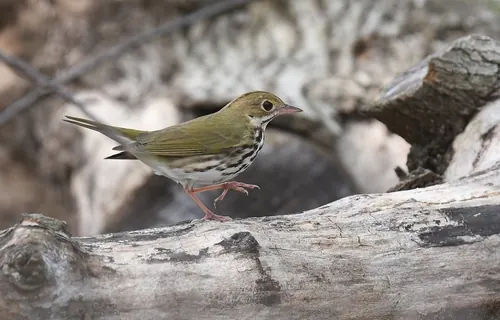 OvenbirdSeiurus aurocapilla
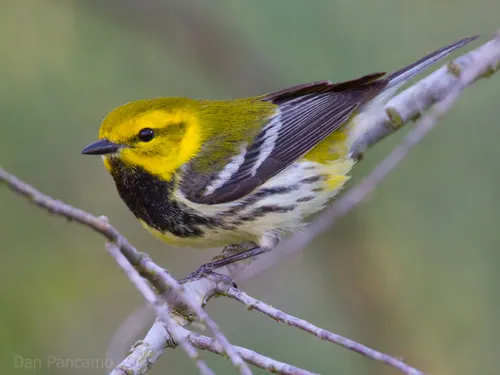 Black-throated Green WarblerSetophaga virens
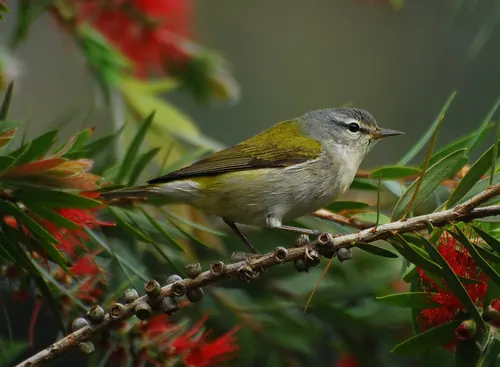 Tennessee WarblerLeiothlypis peregrina
Townsend's WarblerSetophaga townsendi
Tennessee WarblerLeiothlypis peregrina
Townsend's WarblerSetophaga townsendi
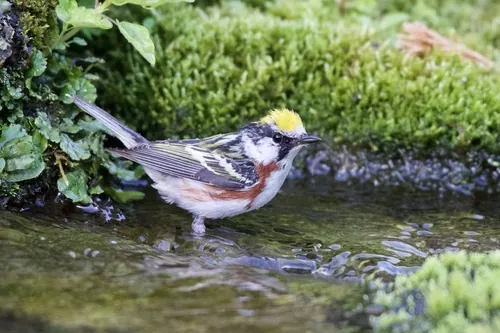 Chestnut-sided WarblerSetophaga pensylvanica
Cape May WarblerSetophaga tigrina
Chestnut-sided WarblerSetophaga pensylvanica
Cape May WarblerSetophaga tigrina
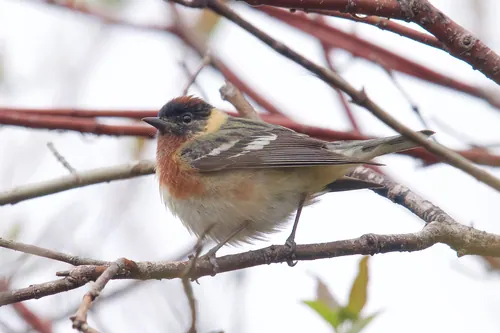 Bay-breasted WarblerSetophaga castanea
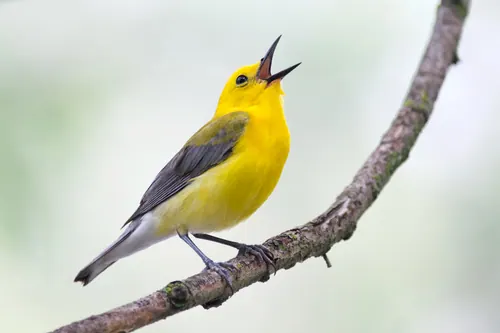 Prothonotary WarblerProtonotaria citrea
Northern WaterthrushParkesia noveboracensis
Prothonotary WarblerProtonotaria citrea
Northern WaterthrushParkesia noveboracensis
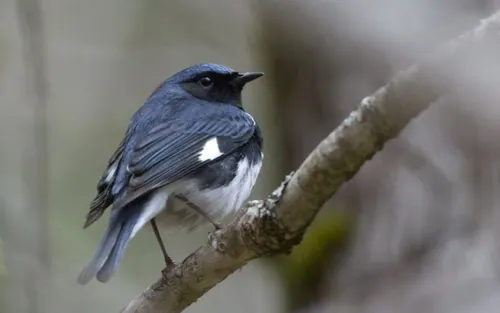 Black-throated Blue WarblerSetophaga caerulescens
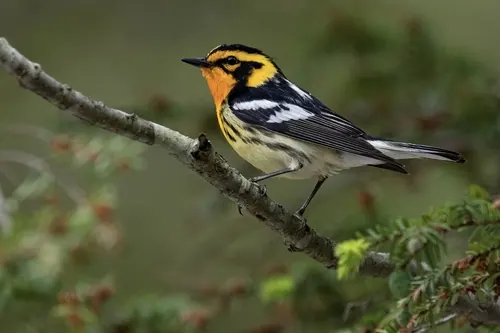 Blackburnian WarblerSetophaga fusca
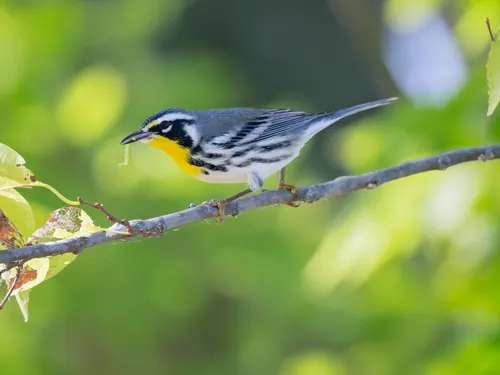 Yellow-throated WarblerSetophaga dominica
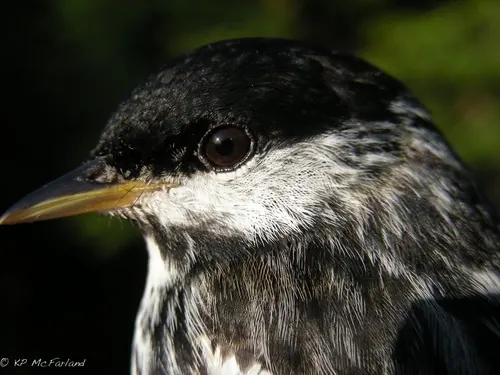 Blackpoll WarblerSetophaga striata
Hooded WarblerSetophaga citrina
Blackpoll WarblerSetophaga striata
Hooded WarblerSetophaga citrina
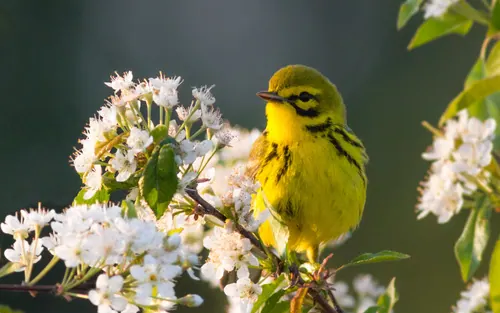 Prairie WarblerSetophaga discolor
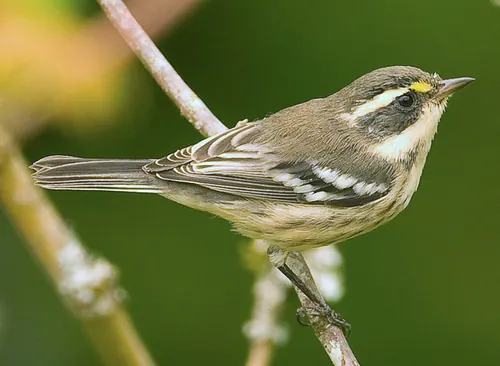 Black-throated Gray WarblerSetophaga nigrescens
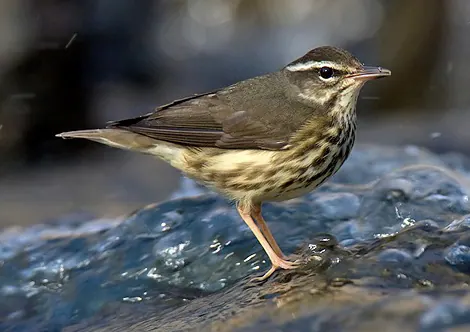 Louisiana WaterthrushParkesia motacilla
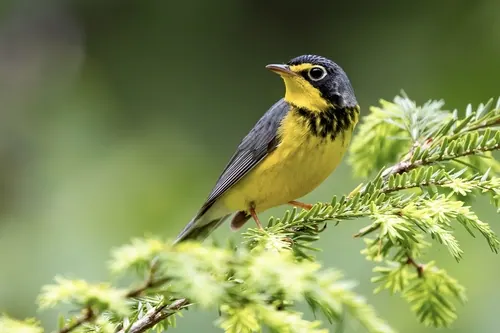 Canada WarblerCardellina canadensis
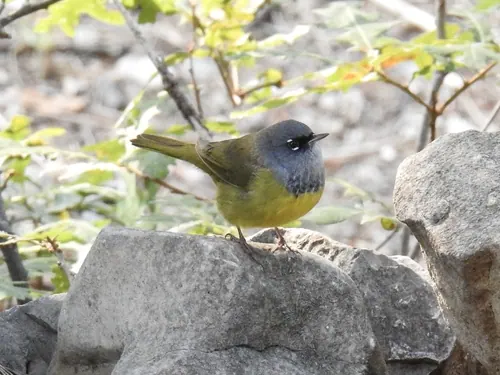 MacGillivray's WarblerGeothlypis tolmiei
Field-craft#
- Spring migration (late April–May) is peak season.
- Learn songs to locate birds before you see them.
- Shoot at the canopy edge where light reaches the leaves.
- Use a small flexible zone or animal-eye AF; tiny birds flit constantly, so shoot short bursts.
Last updated October 03, 2026 · How we calculate · Sources